Global Newsfeed
Stay up to date and follow the global discussion on the challenging interplay of biodiversity, agriculture, valuing nature and the essential services ecosystems provide us with, via reports, best practices and discussions in online media.
English
Oct 6, 2026
Phys.org
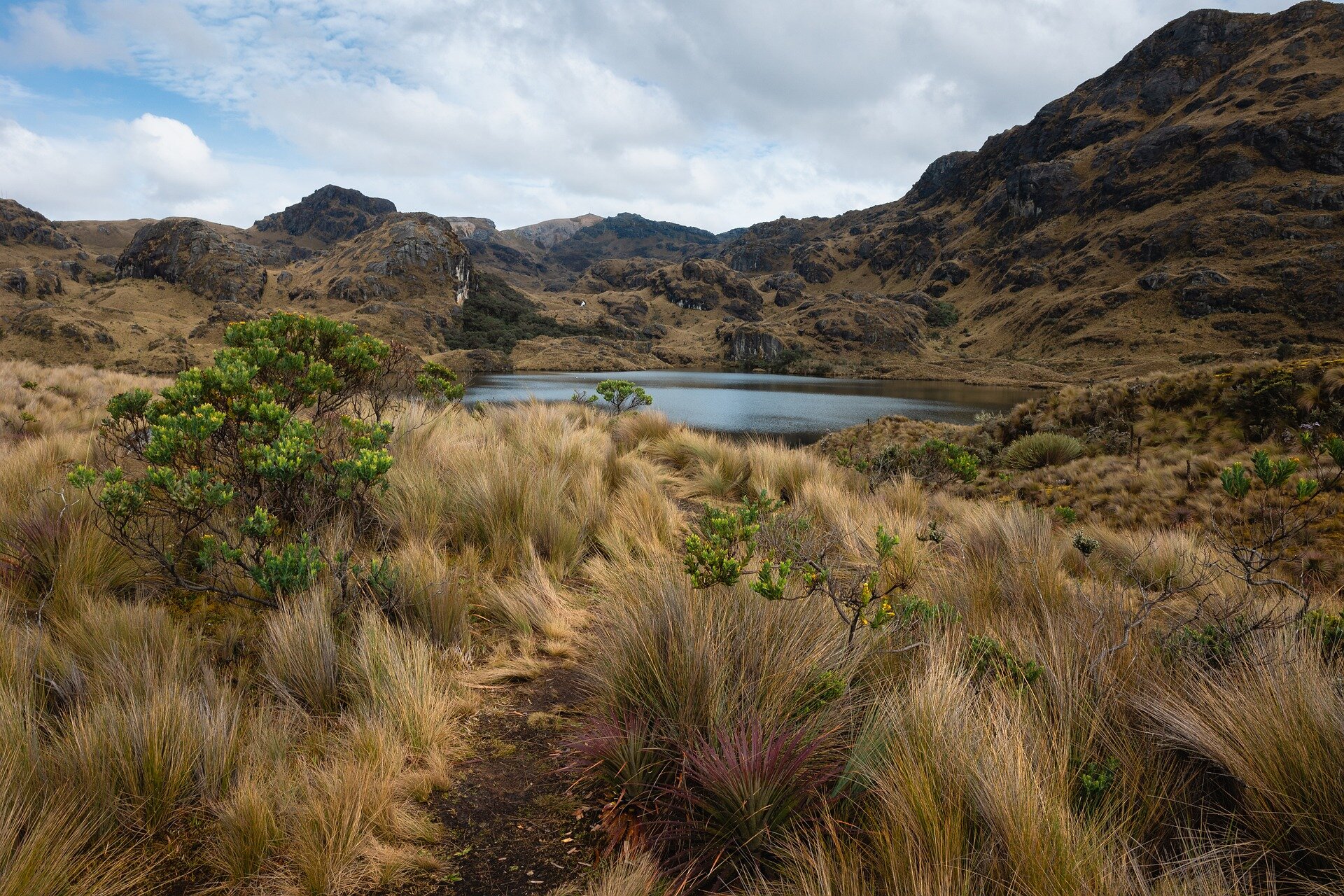
Why some Indigenous communities don't resist oil extraction in their territories
More than half of the Ecuadorian Amazon has been marked for oil drilling, overlapping with Indigenous territories and areas of high biodiversity. The ecological and cultural impacts of oil extraction are well documented and have fueled some of Latin America's most prominent environmental movements. Yet at the local level, extraction is not always met with resistance.

English
Oct 5, 2026
Times of India
In 2023, Leonardo DiCaprio and Jeff Bezos teamed up to protect the Amazon rainforest; $200 million commitment brought their nonprofits together
In 2023, Leonardo DiCaprio and Jeff Bezos announced a $200 million partnership to protect the Amazon rainforest through their nonprofit organizations. The initiative aims for zero deforestation and the protection of biodiversity.

English
Oct 5, 2026
The Hindu
Wildlife conservation programmes held at Samata Degree College
Samata Degree College hosted Wildlife Week programs in Visakhapatnam to promote biodiversity, habitat protection, and responsible conservation efforts.
English
Oct 5, 2026
PLOS (Public Library of Science)
The effect of ULV-based mosquito control on target and non-target organisms in Hungary: An experimental field study
Author summary Mosquito control is an important public health measure because mosquitoes can transmit diseases and cause considerable nuisance. In many European countries, including Hungary, mosquito management relies heavily on spraying very small amounts of insecticide from vehicles to kill adult mosquitoes. However, there is surprisingly little field-based evidence showing how well this approach works against target mosquitoes under real conditions or how it affects other bugs. We evaluated the short-term effects of ground-based insecticide (deltametrin) spraying by comparing insect abundance at treated and untreated sites before and after mosquito control operations performed in different municipalities. We found that spraying reduced mosquito numbers by about half, and it was similarly effective against both native mosquitoes and invasive species such as the Asian tiger mosquito. However, the success of the treatment varied substantially among locations and was influenced by local environmental conditions, such as wind power. Spraying also caused marked declines in many non-target flying insects, including pollinators. These findings demonstrate that current mosquito control practices involve a clear trade-off between reducing mosquito populations and protecting insect biodiversity. Our study highlights the need for mosquito management strategies that better balance public health goals with the conservation of beneficial insects.
English
Oct 4, 2026
Hindustan Times
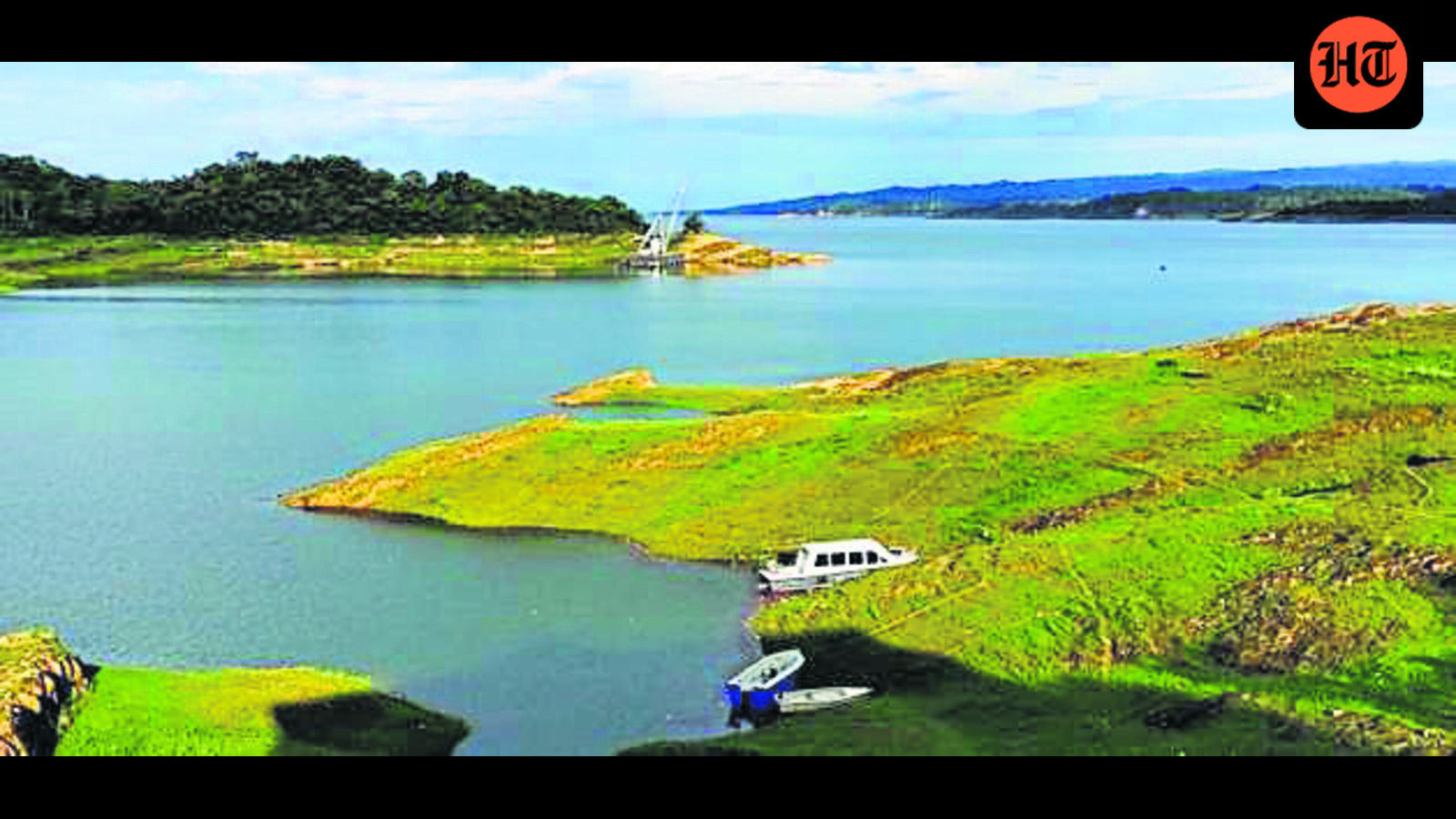
Dharamshala: Pong wetland set for fresh eco-tourism push
Through a recent agreement, the Pong Lake Biodiversity Conservation Society (PLBCS) and the District Water Sports & Allied Activities Society, Kangra, have joined hands to develop eco-friendly tourism activities
English
Oct 4, 2026
Times of India
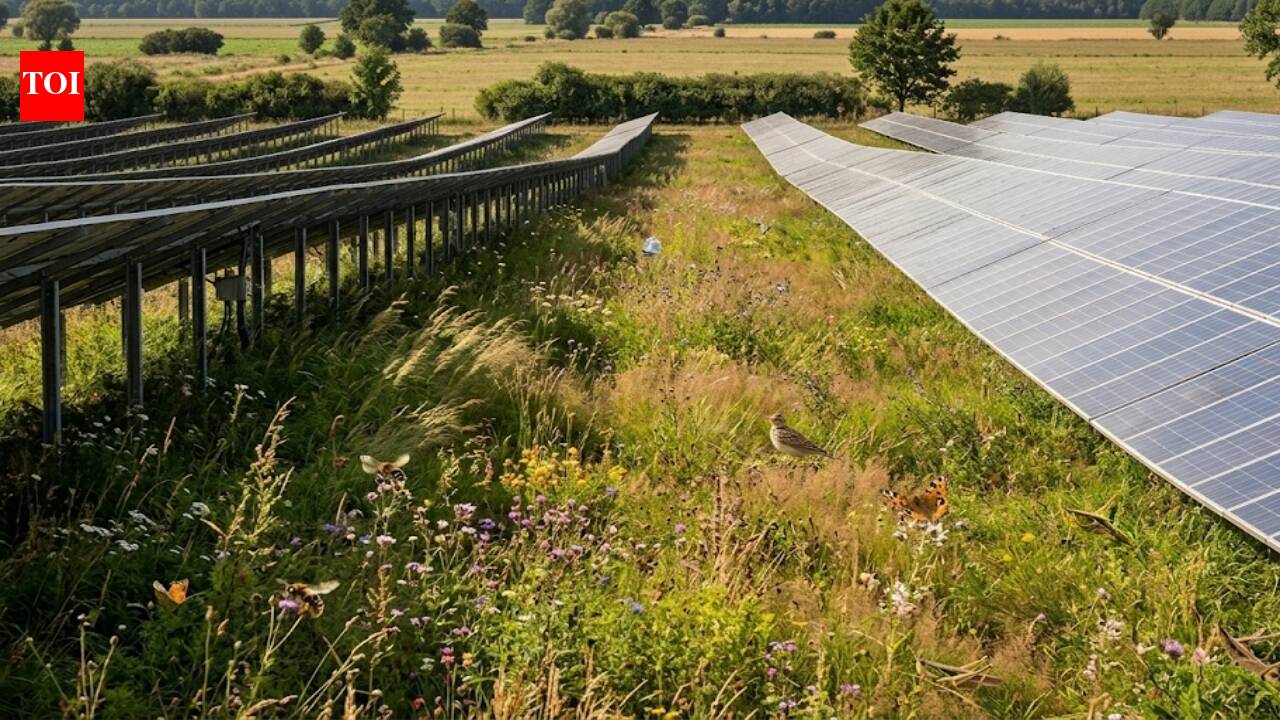
In 2024, 350,000 solar panels in Germany’s Gottesgabe park sat above 68 plant species, endangered grasshoppers and a red-listed skylark population
The Gottesgabe solar park in Germany showcases biodiversity with 68 plant species and endangered wildlife, proving that solar farms can coexist with nature while generating renewable energy for thousands of homes.

English
Oct 4, 2026
The Hindu
Heritage activists oppose open cast coal mine near Ramappa Temple, fear threat to World Heritage Site
Heritage activists are opposing the proposed PVNR opencast coal mine near Ramappa Temple and Lake, citing potential risks to the temple’s foundation, groundwater movement, biodiversity and UNESCO World Heritage site.
English
Oct 4, 2026
Free Press Journal
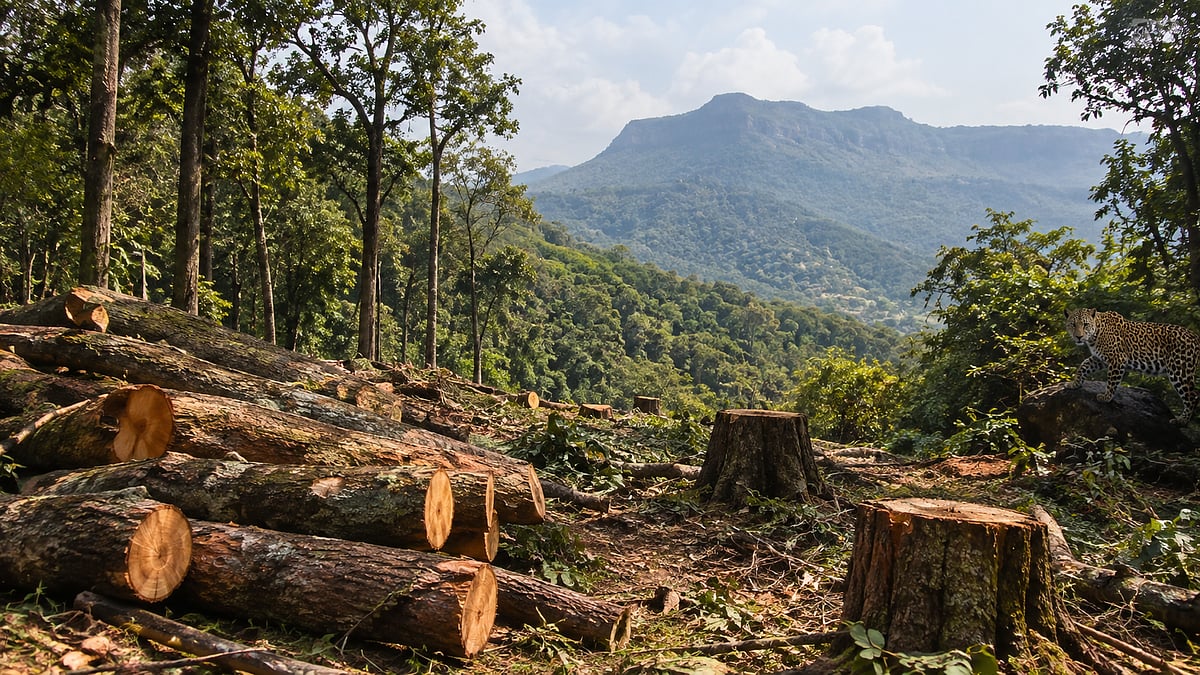
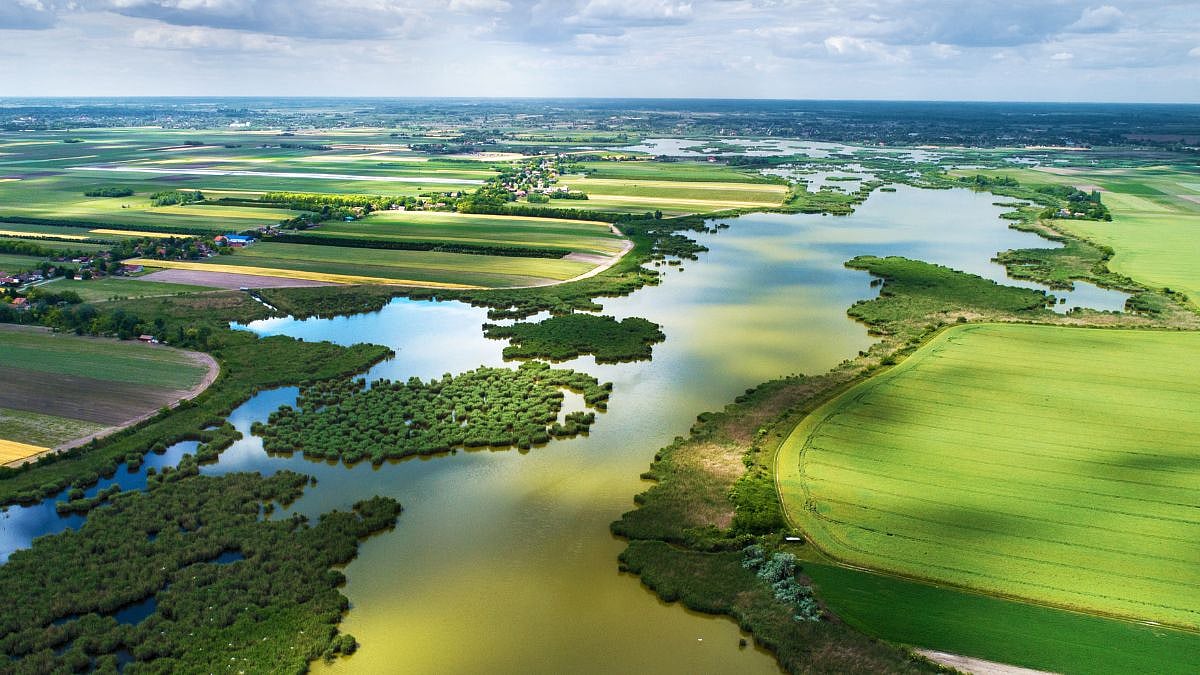
Nashik: 155 Acres Of Forest In Igatpuri Set For Felling, 6,234 Trees To Be Cut
The project will affect a portion of the reserved forest within the Bhavli jurisdiction of the Igatpuri Forest Range. The area is an important part of the Western Ghats and is ecologically sensitive due to its biodiversity. The forest is home to various wild animals, including leopards, hyenas, wolves and wild dogs. It also has rare and critically rare indigenous tree species
English
Oct 4, 2026
Free Press Journal
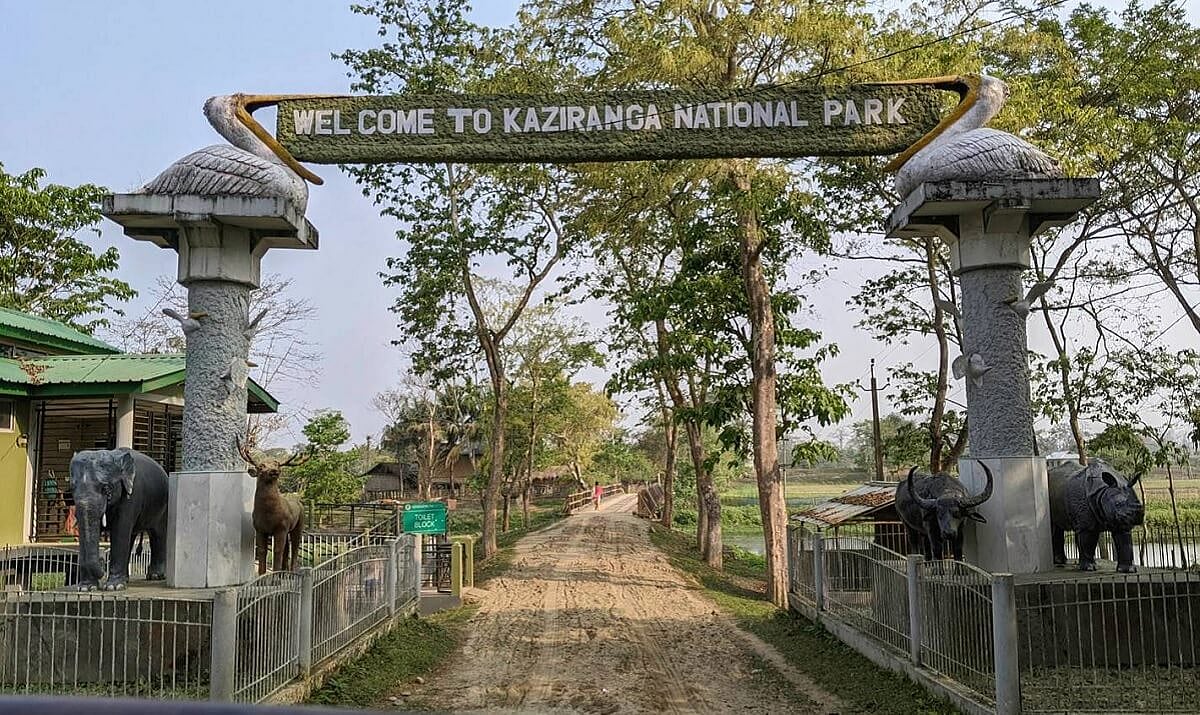
National Wildlife Week 2026: Why Coexisting With Nature Is Essential For A Biodiverse Future
India observes National Wildlife Week from October 2 to 8 every year, highlighting the importance of protecting wildlife and natural ecosystems. The week serves as an opportunity to look beyond individual species and understand the wider need to conserve habitats, biodiversity and ecological balance.
English
Oct 4, 2026
Free Press Journal
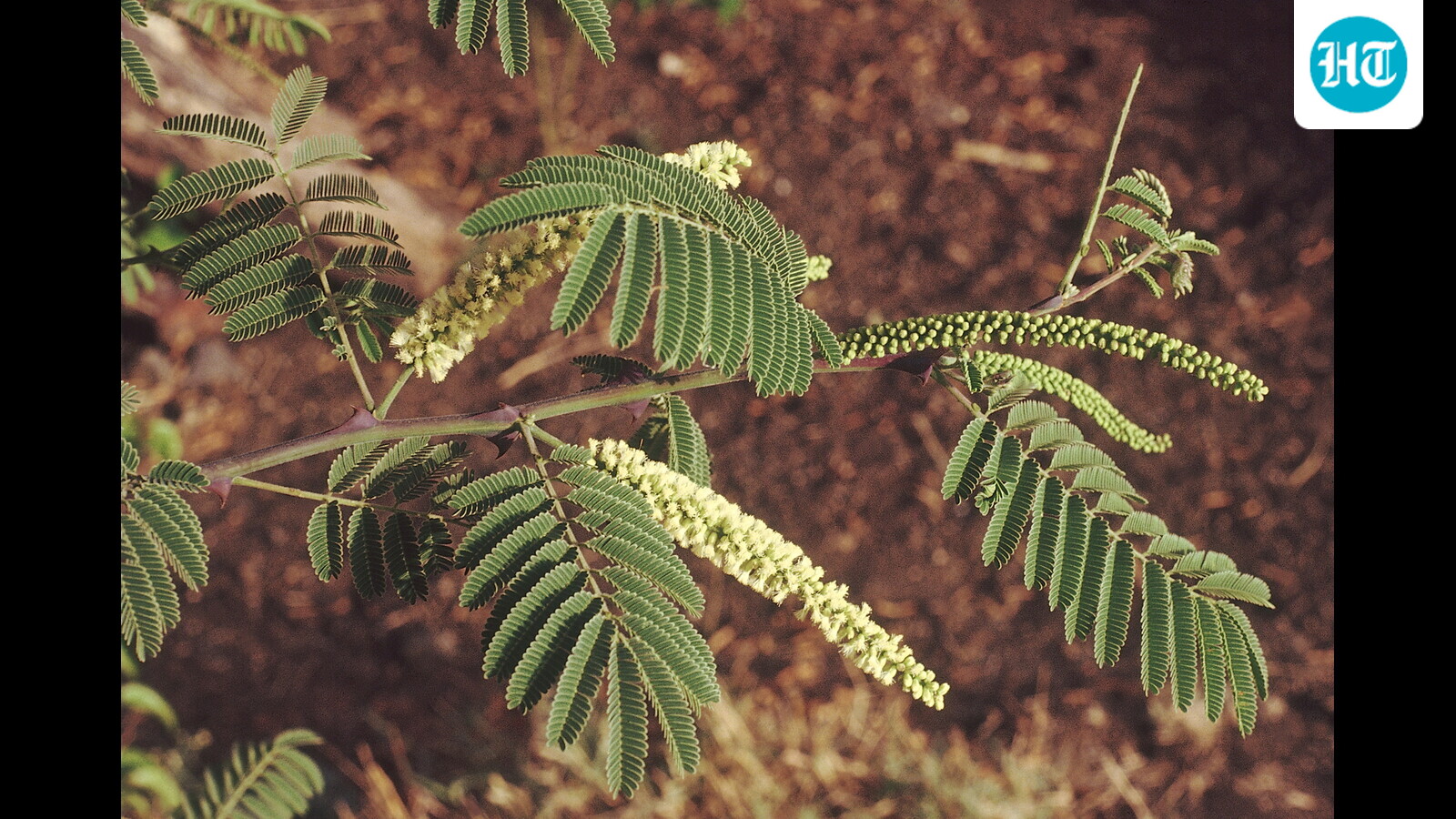
Kaziranga National Park Reopens For 2026-27 Season: Safari Timings, Booking Details And What To Know
Kaziranga National Park and Tiger Reserve reopened to tourists on October 3, 2026, following its annual monsoon closure. The reopening marks the beginning of the 2026–27 tourism season, offering visitors another opportunity to explore the UNESCO World Heritage Site, known for its rich biodiversity and population of the endangered one-horned rhinoceros.
English
Oct 4, 2026
Hindustan Times
Punjab sets ball rolling on ₹760-crore Japan-backed biodiversity project
At the first meeting of the project’s governing body last month, the Punjab government moved to formalise the implementation structure for the project

English
Oct 3, 2026
The Hindu
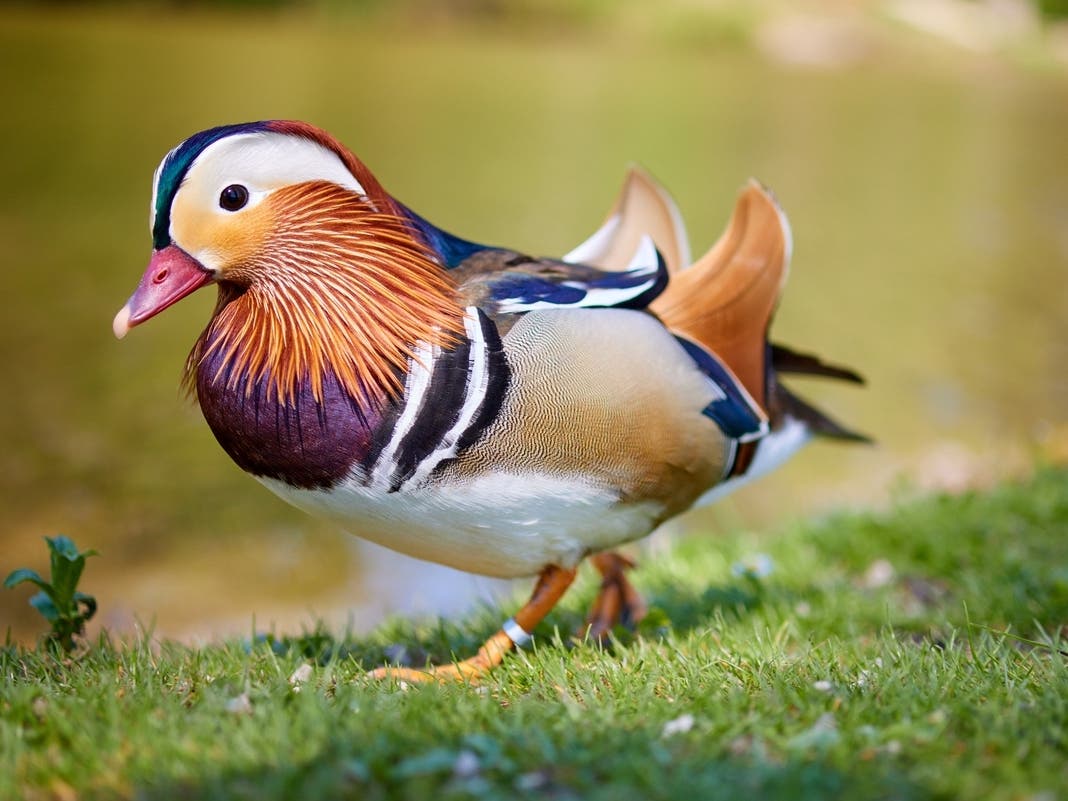
Wildlife photography exhibition opens at Hawa Mahal in Visakhapatnam
WildVizag 2.0 Wildlife Photography Exhibition opens at Hawa Mahal, Visakhapatnam, showcasing 150 images to raise biodiversity awareness during World Wildlife Week.
English
Oct 3, 2026
Joliet, IL Patch
Old Lyme Conservation Commission To Revisit Mile Creek Excavation, Biodiversity Mapping
Old Lyme's Conservation Commission will revisit the Mile Creek excavation and discuss townwide habitat mapping Oct. 6.
English
Oct 3, 2026
The Economic Times
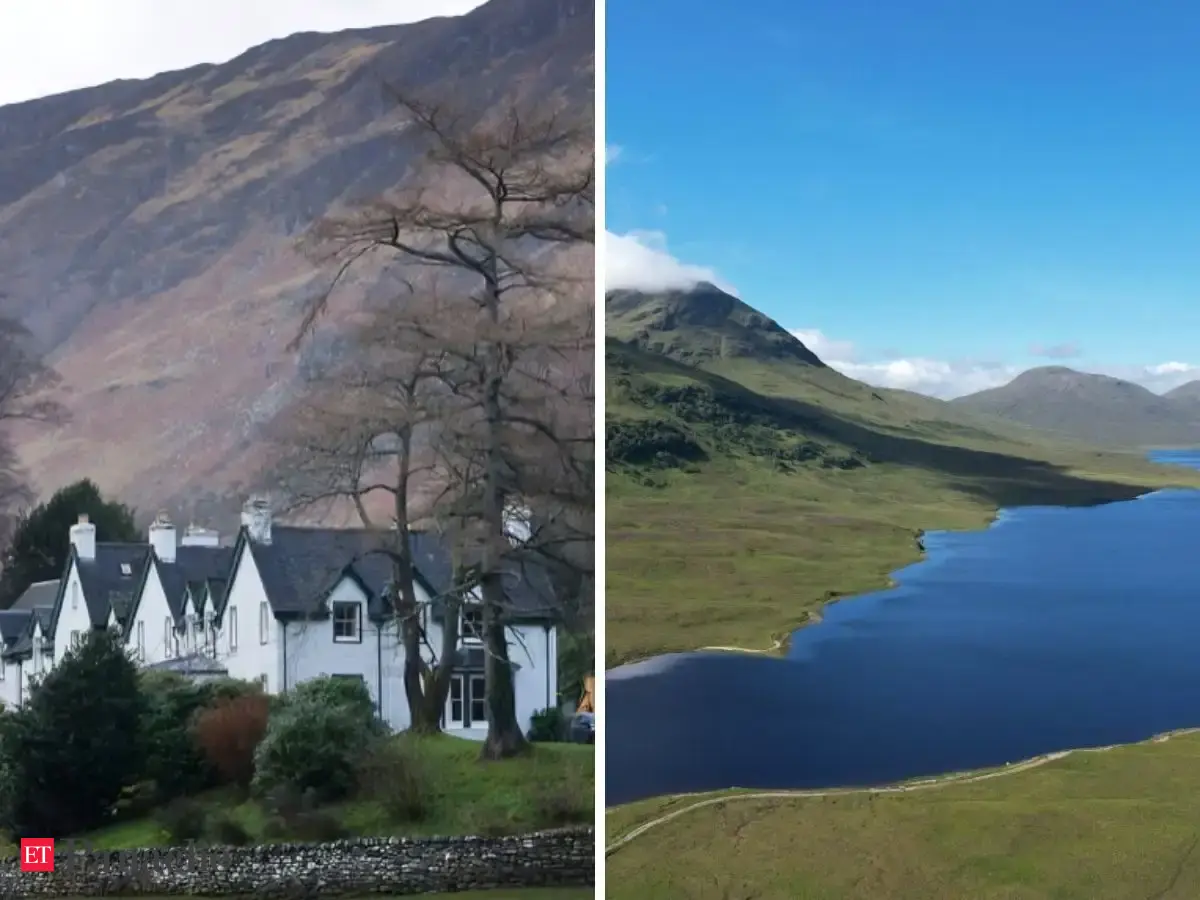
A mystery donor quietly bought a 7,600-hectare Scottish estate for 17.5 million pounds. Then handed it to conservationists
Through a remarkable anonymous donation, Scottish Wildlife Trust has acquired the Inverbroom estate in north-west Scotland. This estate is set to play a vital role in rewilding initiatives and nature conservation efforts. Key restoration projects will aim to revive peatlands, riverwoodland, and temperate rainforests while combating invasive species. Local communities will be involved in promoting sustainable agriculture, enhancing biodiversity, and supporting regional economies.

English
Oct 3, 2026
The Hindu
A mission to revive mangroves in Keralam’s Mayyanad
Renewal of mangrove restoration in Mayyanad, Kerala, Learn from past failures with 23,000 saplings, trained workers, student involvement, and long-term biodiversity protection.

English
Oct 2, 2026
The Independent
New map highlights which US rivers should be priorities for protection
Three-quarters of rivers could lose their biodiversity due to climate change, conservationists say
English
Oct 2, 2026
The Tribune
Sukhna Wildlife Sanctuary sees rise in biodiversity
The Sukhna Wildlife Sanctuary has recorded an increase in biodiversity since the previous survey in 2021.
English
Oct 2, 2026
Times of India
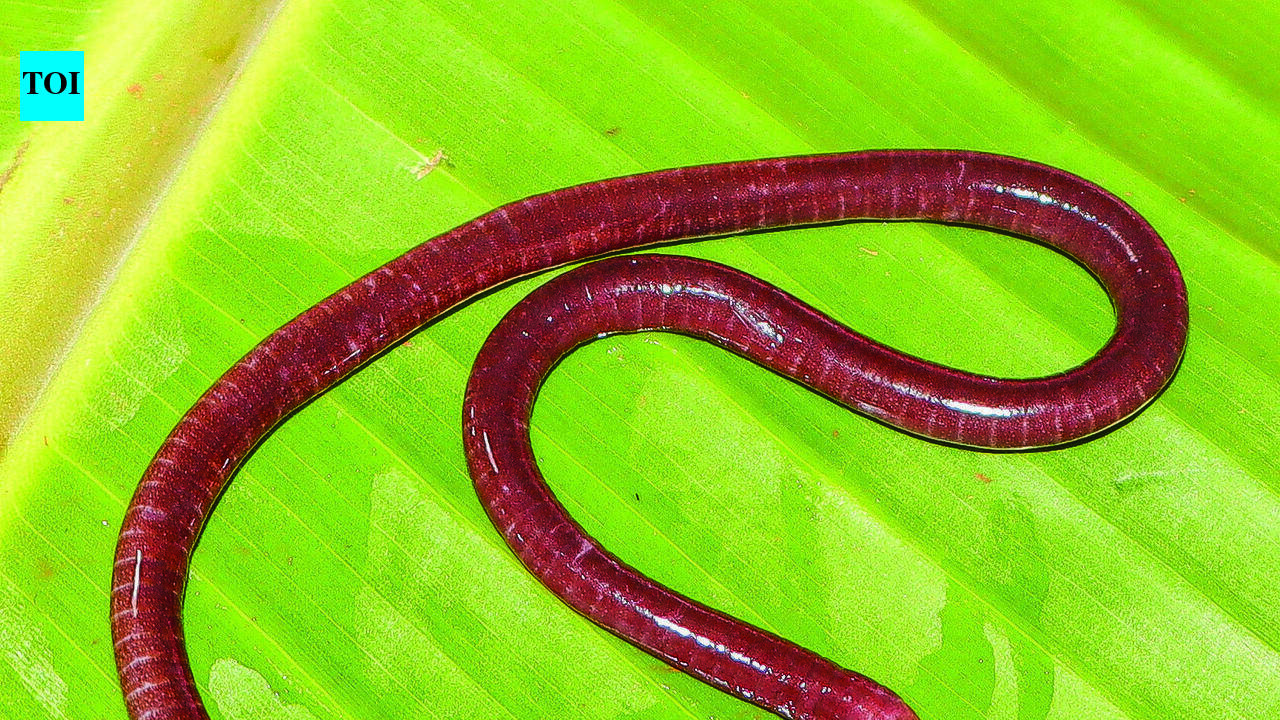
Finding of new species makes north Western Ghats caecilian biodiversity hotspot
New caecilian species Gegeneophis chandgadi found near homes in north Western Ghats, boosting biodiversity hotspot status and highlighting hidden amphibians.

English
Oct 2, 2026
Deccan Chronicle
In Defence Of Traditional Farming Methods Adivasi Woman Agriculturist's Call At Global Farmer Meet
Kamala, as a representative of Jai Jangubai Mahila Sangam, spoke at an international meeting held on ‘Agroecology and Climate Justice’ in Cambodia: Reports

English
Oct 2, 2026
Devdiscourse
Thailand’s $750 Million Nature Bond Puts Biodiversity at the Heart of Public Finance
Thailand’s climate commitment is to keep net greenhouse gas emissions below 152 million metric tons of carbon dioxide equivalent by 2035, representing a 47% reduction from 2019 levels.