Global Newsfeed
Stay up to date and follow the global discussion on the challenging interplay of biodiversity, agriculture, valuing nature and the essential services ecosystems provide us with, via reports, best practices and discussions in online media.
English
Oct 26, 2026
The Hitavada
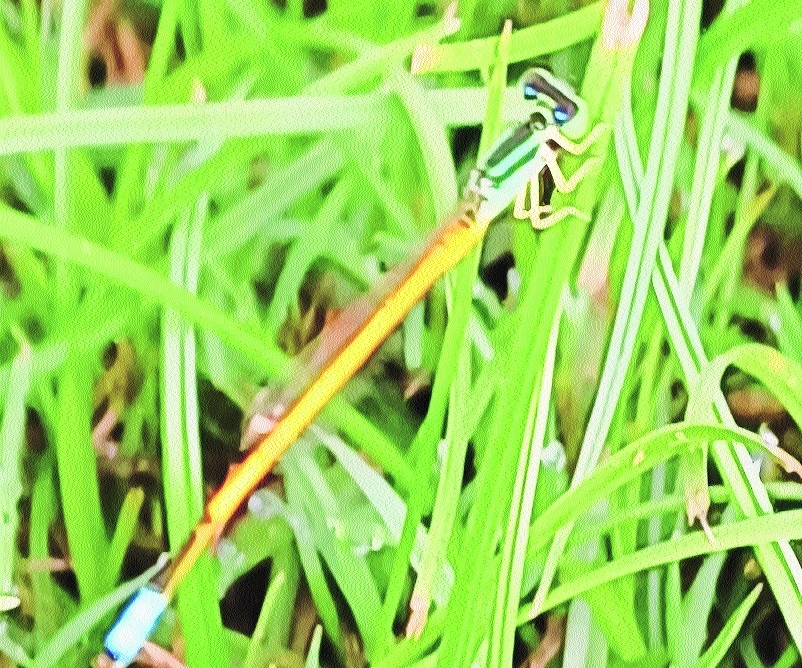
Western Golden Dartlets find a home in urban greenery
small gardens, grassy patches and water bodies across nagpur are providing habitats across the city for the western golden dartlet (ischnura rubilio), a tiny apple-green damselfly that offers a glimpse into nagpur’s urban biodiversity. according to observations by dr sharyu v ghonmode, professor, department of zoology, shivaji science college, congress nagar, the damselfly highlights the importance of small green spaces in supporting wildlife. ponds, garden water bodies, drainage channels, seasonal wetlands
English
Oct 26, 2026
The Hitavada
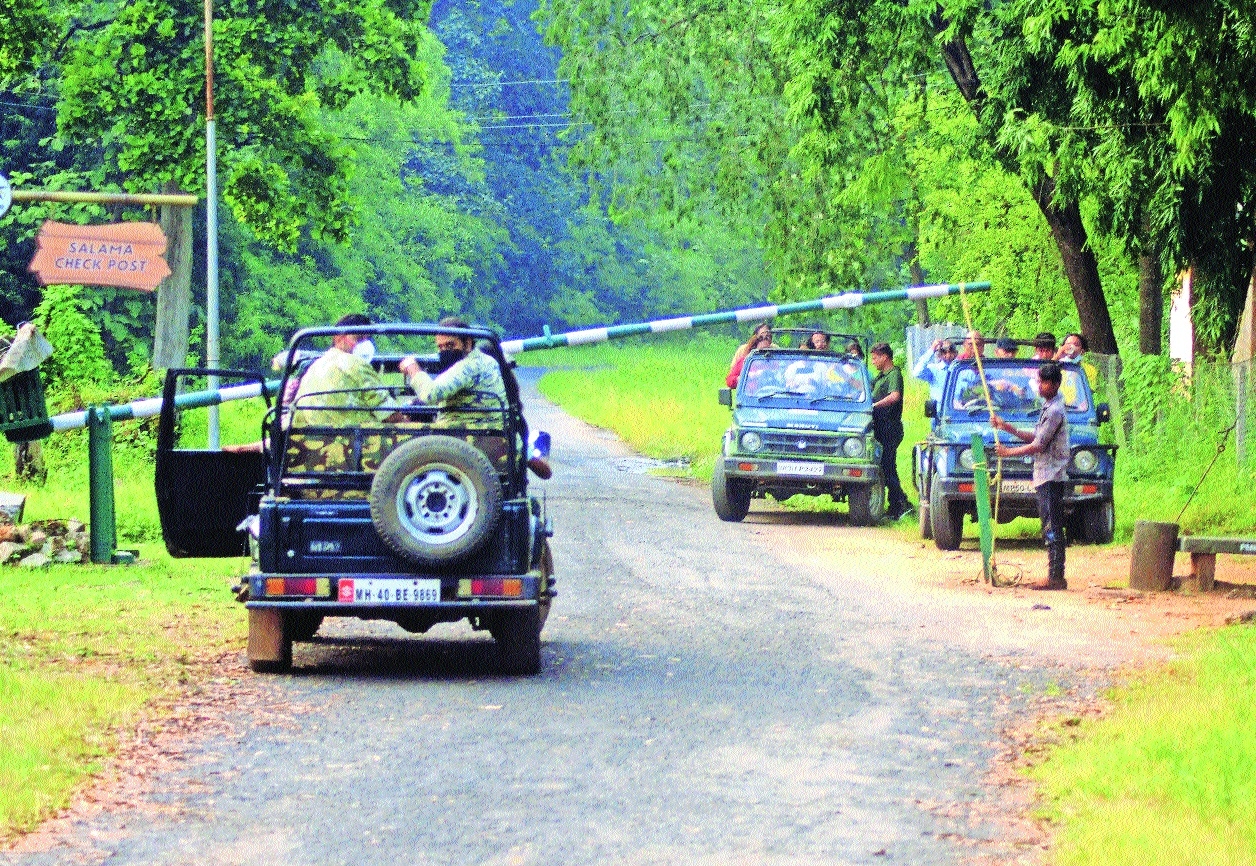
Diwali Boom Pench sees 90% safari bookings from Nov 6 to 14
this diwali, wildlife enthusiasts look to spend their festive break exploring pench tiger reserve (ptr) and experiencing its rich biodiversity. around 1,100 bookings have already been recorded for november 6 to 14, with nearly 90% of safari slots across pench and kumbhpani-tekadi (upk) gate on madhya pradesh side booked in advance. the trend points to a busy holiday period. the booking trend comes as families and wildlife enthusiasts plan visits during the festive break. main gates for safari are sillari, k
English
Oct 25, 2026
The Straits Times
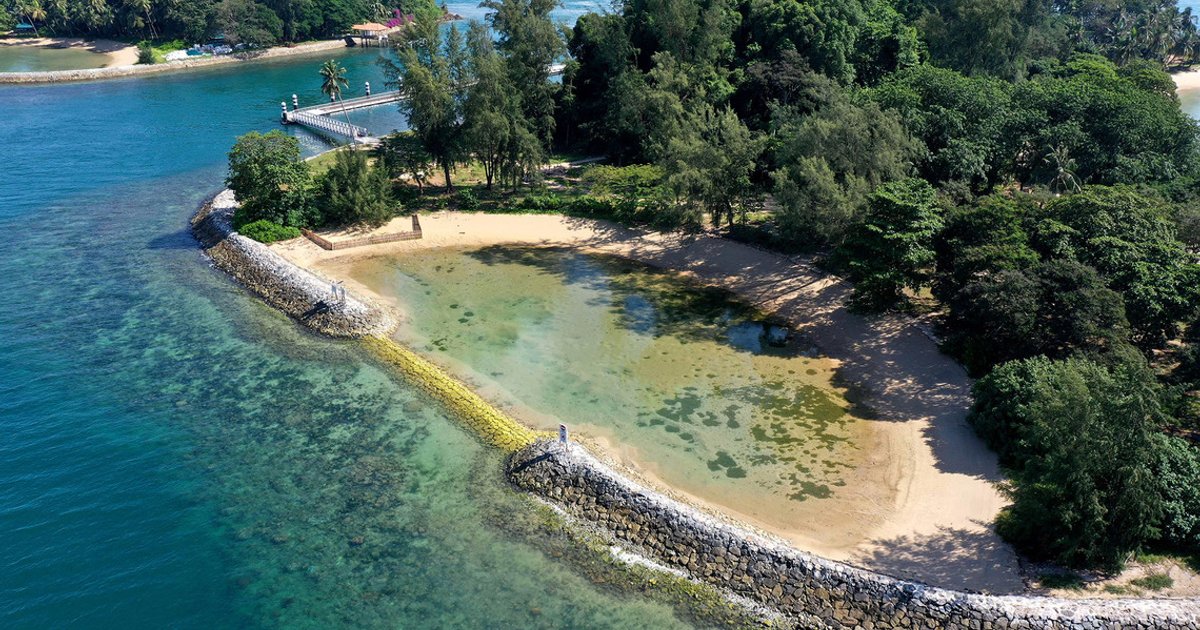
Blue oasis in a shipping lane
The designation recognises the marine park as a sanctuary for biodiversity. Read more at straitstimes.com.

English
Oct 25, 2026
Hindustan Times
Amid festive season, PM Modi urges people to buy from local artisans in Mann Ki Baat
The 139th episode highlighted grassroots conservation, traditional farming, scientific research and community initiatives across India. | India News

English
Oct 25, 2026
The News Minute
At CBD COP17, Kerala fisherfolk present their own marine biodiversity register global
Kerala fishers document marine biodiversity and traditional knowledge in a community-led register after indigenous knowledge was excluded from a state biodiversity register.
English
Oct 25, 2026
Devdiscourse
From Forests to Finance: How Nature Credits Could Transform Global Conservation and Investment
Nature credits could unlock new investment in biodiversity conservation, ecosystem restoration and sustainable development, but weak buyer demand, high costs and regulatory gaps threaten their growth. The report urges governments, development banks and businesses to prioritise transparent regulations, reliable financing, community participation and measurable environmental results before expanding nature-credit markets.

English
Oct 25, 2026
Hindustan Times
PM Modi urges support for local artisans, highlights Indian products in Mann Ki Baat
PM Modi marked 12 years of Mann Ki Baat by urging people to support local artisans during the festive season and highlighting grassroots initiatives in farming, conservation and science. | India News
English
Oct 24, 2026
Times of India
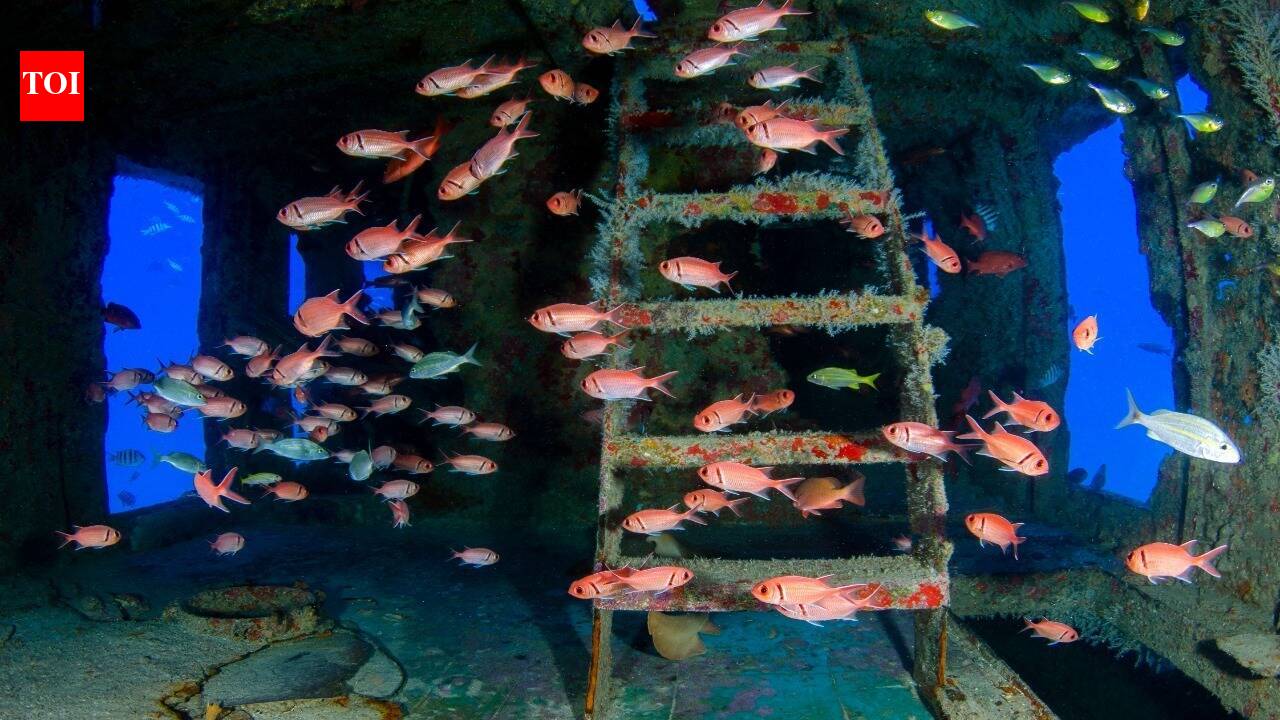
Lebanon's Underwater Dive Park: Reviving Marine Life and Tourism
In a groundbreaking initiative, Lebanon sank retired military vehicles off Sidon to create an artificial reef, aiming to attract divers and rejuvenate marine biodiversity while addressing coastal pollution issues.
English
Oct 24, 2026
Hindustan Times
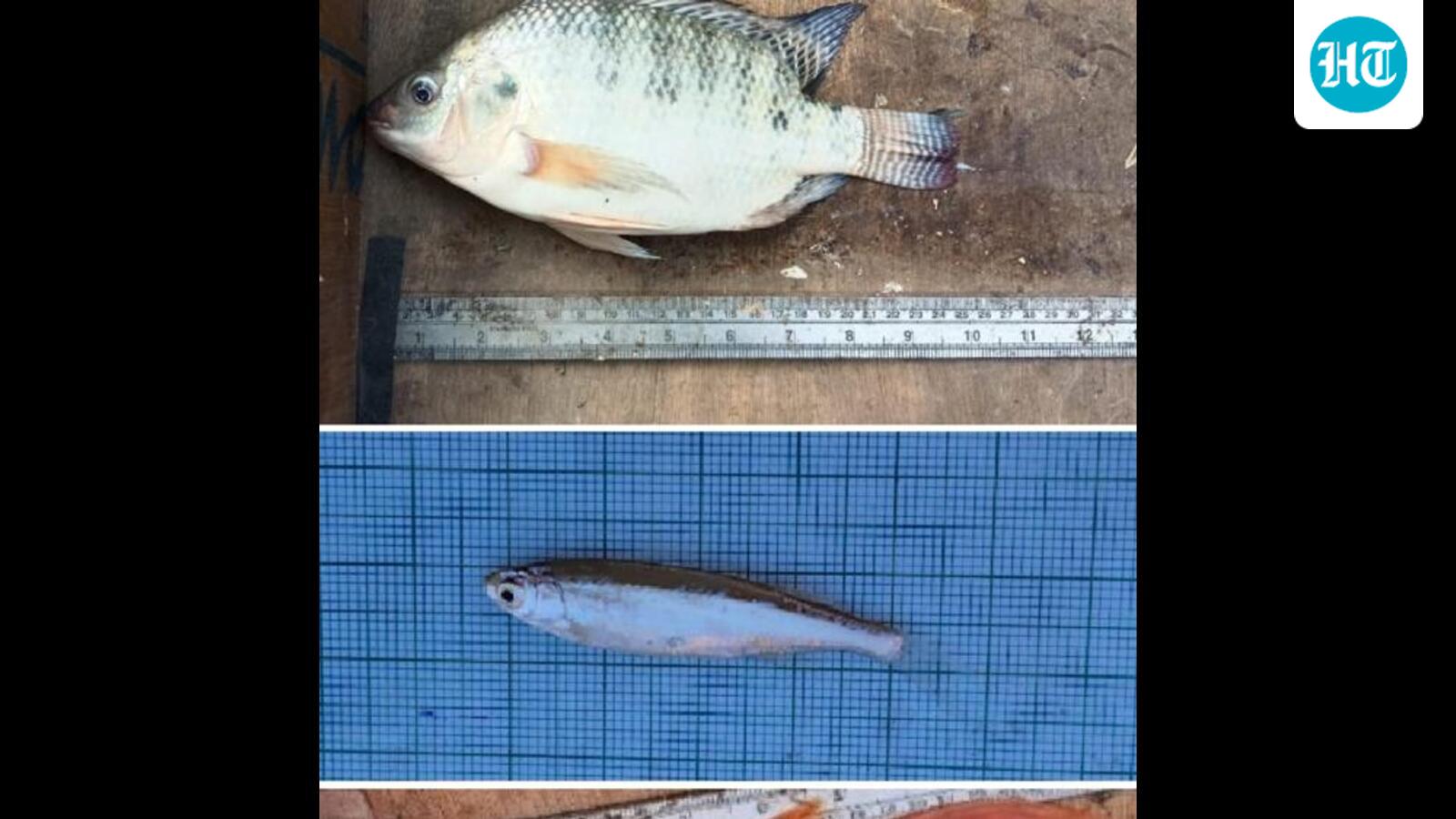
Wildbuzz | The unseen marvels of Sukhna
Six new species of fish have been documented at the Sukhna by the department of zoology, Panjab University, which were not found in the fish biodiversity project of 2005-2006 and carp morphometric survey of 2012-2014

English
Oct 24, 2026
Al Jazeera
COP17 puts Armenia’s environmental record in the spotlight
As Yerevan hosts the global biodiversity summit, concerns over mining and environmental protection deserve scrutiny.
English
Oct 24, 2026
Times of India
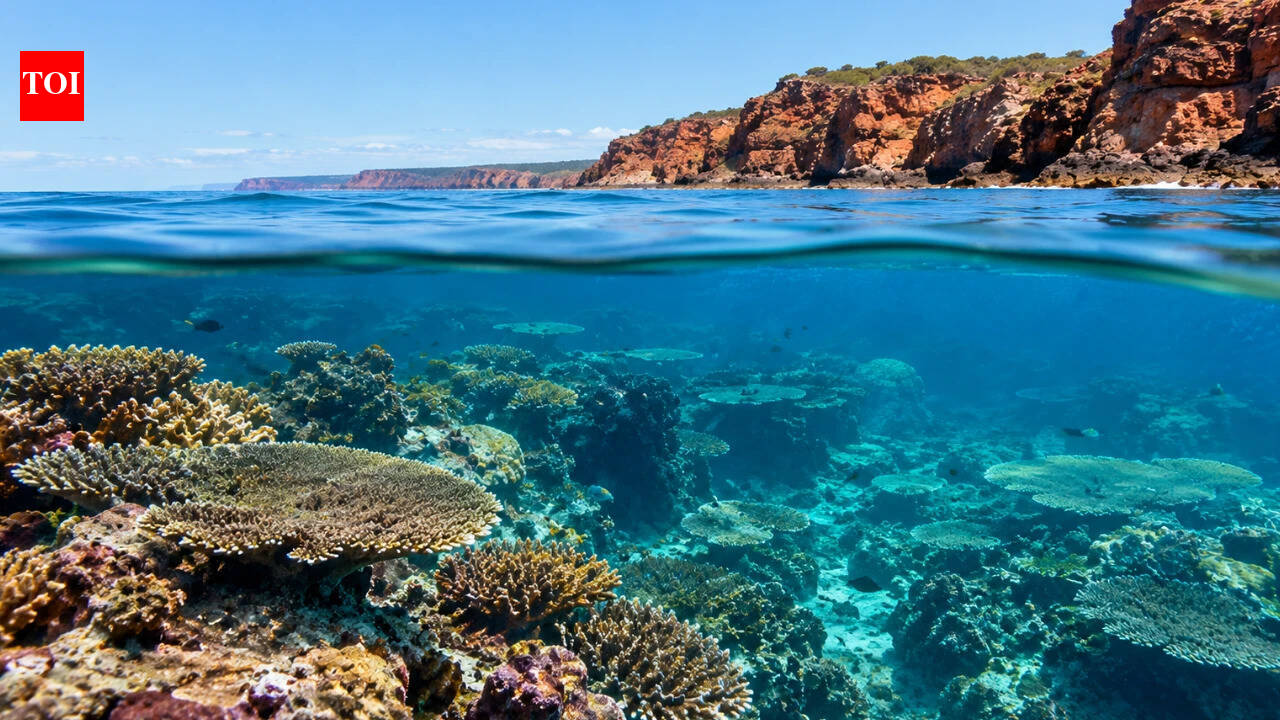
In the late 2000s, while inspecting reefs on Google Earth, specialist Chris Simpson spotted rare reefs off Australia’s remote Kimberley coast, revealing marine habitats that had been poorly mapped
Chris Simpson's groundbreaking find in 2007 reveals extensive fringing coral reefs along Australia's remote Kimberley coast, highlighting the region's rich marine biodiversity and resilience amid environmental challenges.
English
Oct 24, 2026
Times of India
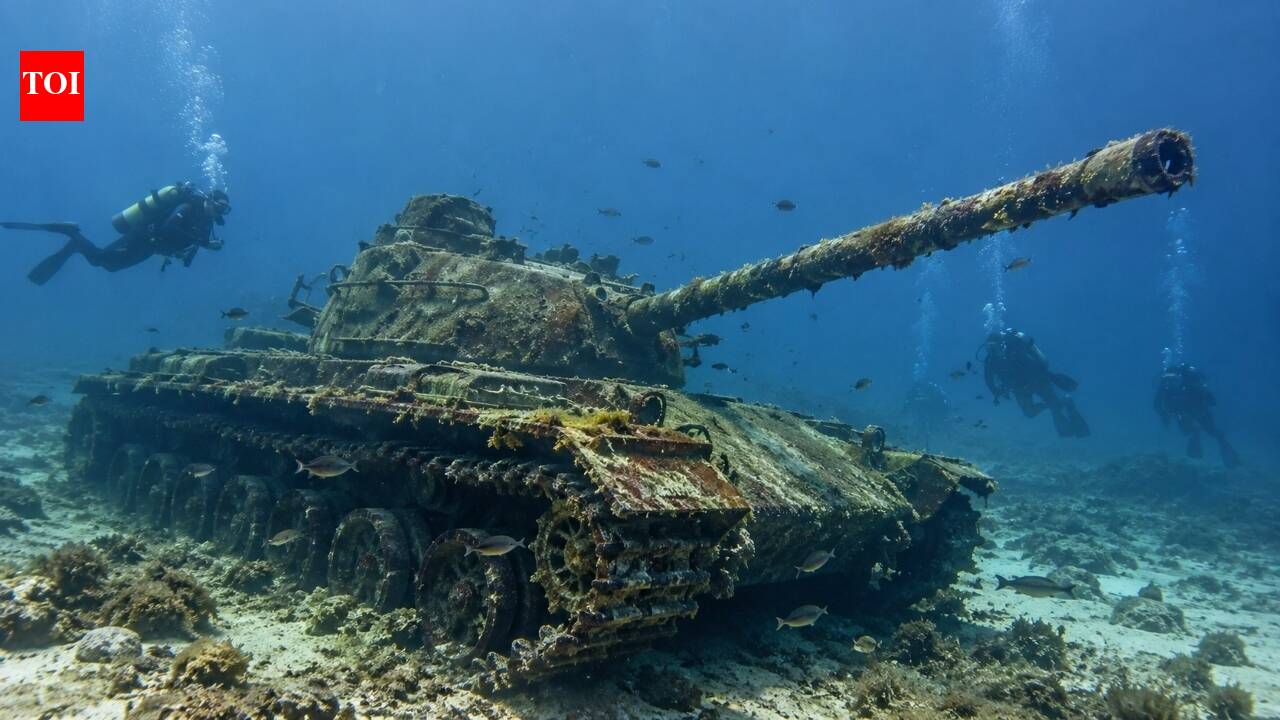
In 2025, Turkey sank a 45-ton M62 tank off Gökçetepe to boost diving tourism and support marine biodiversity; by 2026, the shallow wreck had reportedly become a draw for local and foreign divers
In June 2025, Turkey submerged an M62 tank off Gökçetepe to enhance diving tourism and marine biodiversity, attracting divers globally by 2026.
English
Oct 24, 2026
Times of India
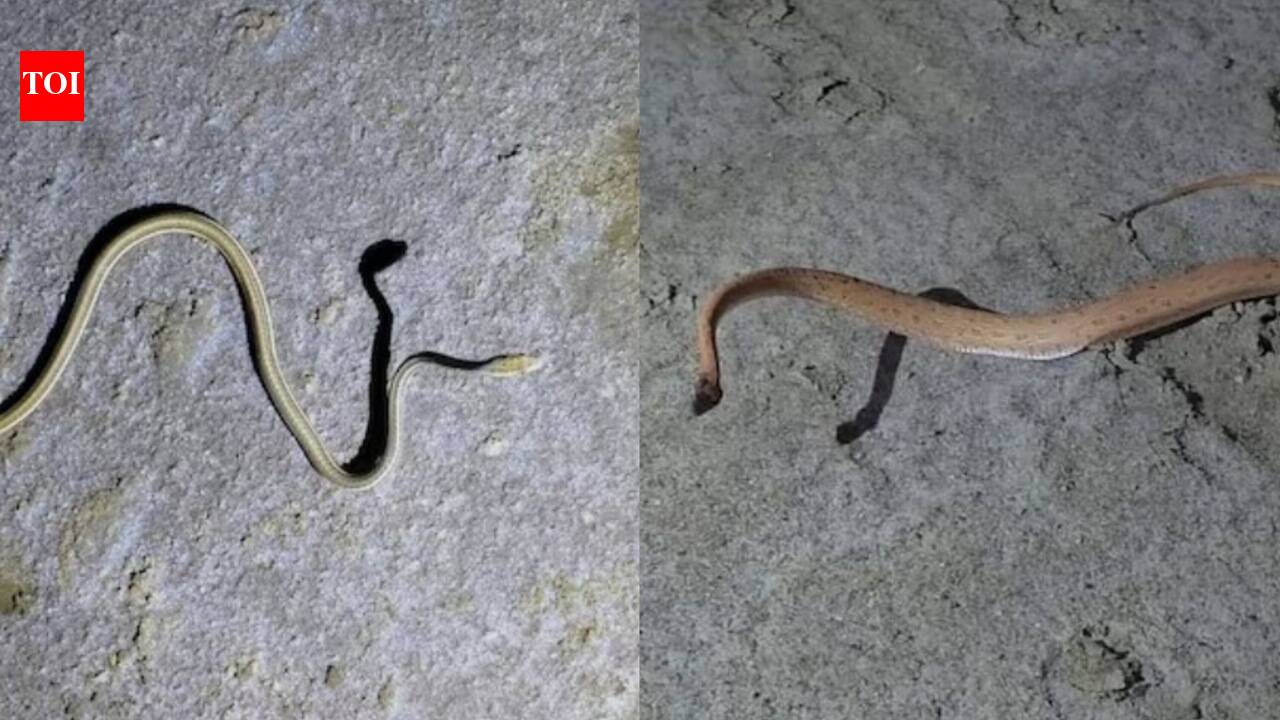
A snake last recorded in Gujarat’s Kutch in 1872 has been spotted again after more than 150 years, drawing attention to the region’s biodiversity and the rare reptile’s remarkable rediscovery
A routine evening patrol in Kutch has turned into one of the more unexpected wildlife stories of the year.

English
Oct 24, 2026
Phys.org
Habitat explains Finnish animal distributions better than climate, study finds
Researchers at the University of Helsinki wanted to understand which is the dominant factor for species occurrence and abundance: the climate or habitat-related variables, such as their natural state and the share of land shaped by human activity. Solutions to mitigate biodiversity loss depend on the answer to this question.
English
Oct 23, 2026
ABC (Australian Broadcasting Corporation)
Biodiversity offset now protects habitat in same region as development
Peter Barton took years pondering whether to sign over a block of his western NSW property to a conservation agreement, but did it for his grandchildren and great-great-grandchildren.
English
Oct 23, 2026
The Province
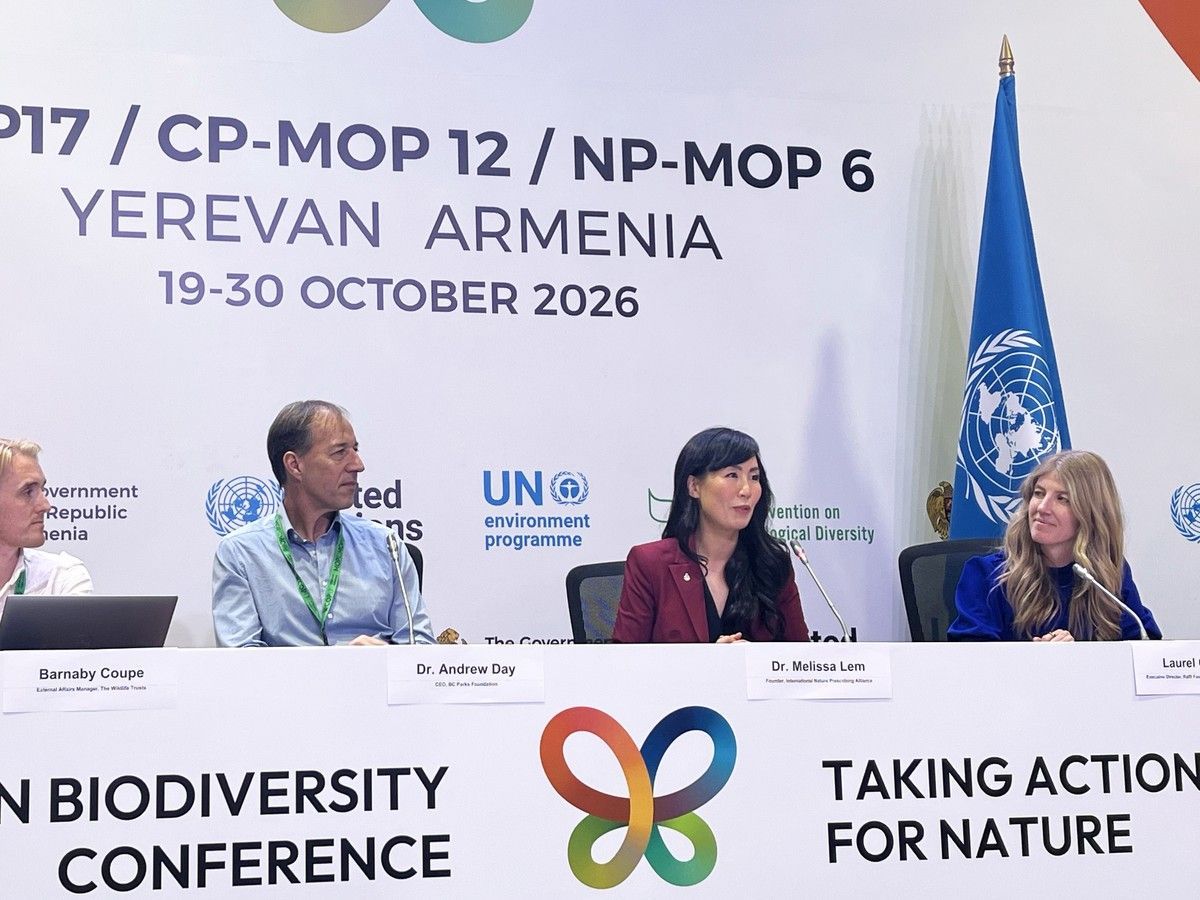
B.C. doctor takes Canada's nature prescriptions global at biodiversity summit
Vancouver family physician Melissa Lem launched the International Nature Prescribing Alliance at COP17 this week.

English
Oct 23, 2026
Phys.org
Massive carbon stocks in grasslands are ignored by climate finance
Open ecosystems—nonforested landscapes such as grasslands, shrublands and savannas—can store vast amounts of carbon while supporting water supply, biodiversity and other ecosystem services. Yet the potential of open ecosystems to serve as natural climate solutions remains ignored by policies that privilege forests. So reports a team of researchers in a policy brief published today in PLANTS, PEOPLE, PLANET.

English
Oct 23, 2026
The Manila Times
Enchanted Kingdom celebrates 31 years of magic
ENCHANTED Kingdom, the first and only world-class theme park in the Philippines, proudly marked its 31st anniversary on Oct. 17 with Fiesta ng Saribuhay, a vibrant celebration of the county’s culture, people and biodiversity.
English
Oct 23, 2026
The Manila Times
Capturing the horror of plastic pollution
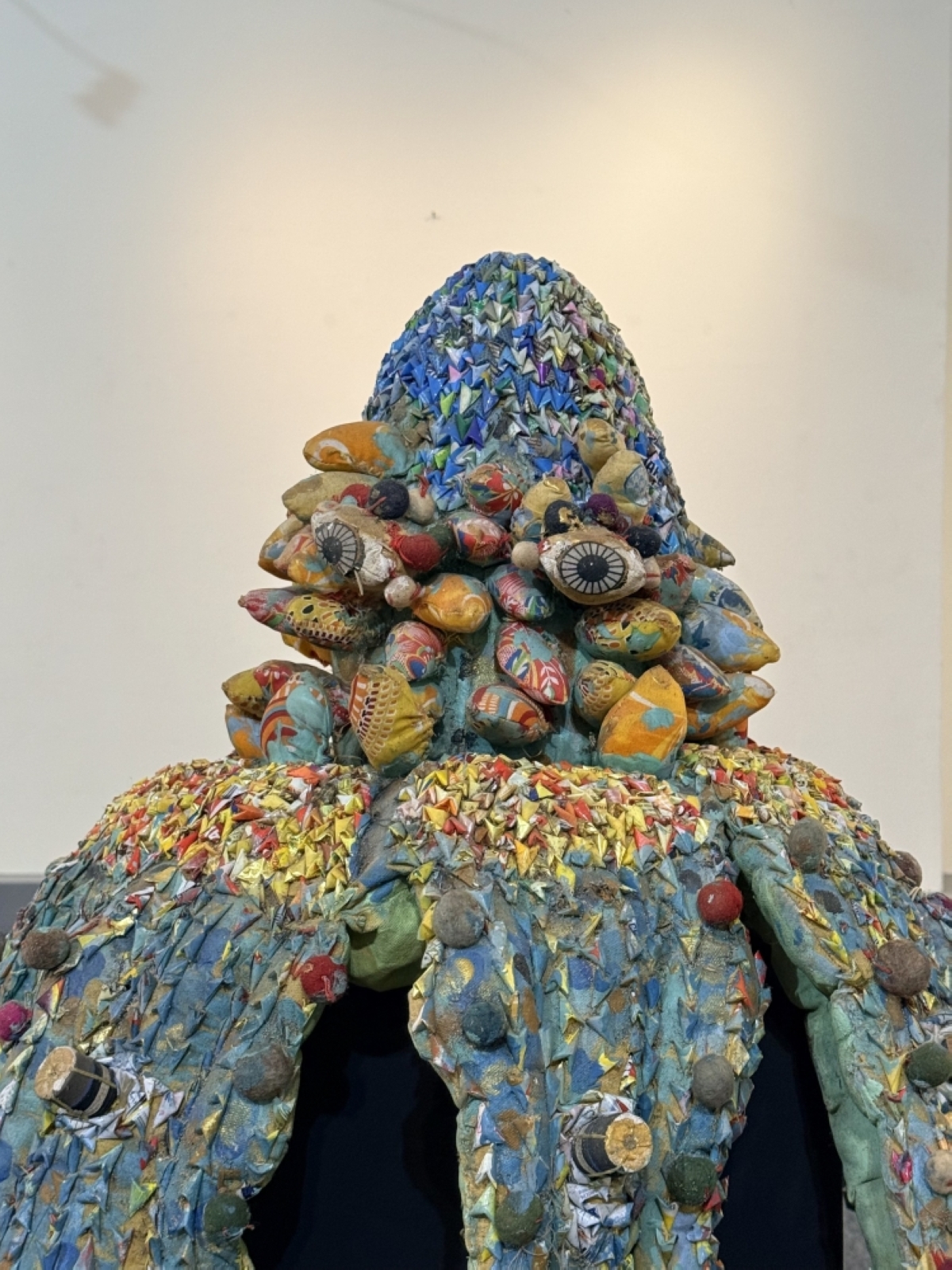
SOMETIMES, people can be so inured or desensitized to a harmful daily occurrence in their lives that it needs art to shake them out of their stupor. Take, for example, single-use plastic and its adverse impact on our environment, society, collective health and national consciousness. Only a few would dare dispute the statistics of plastic pollution and how it has been clogging our oceans and damaging our biodiversity. Yet sometimes even the most stark photographs of plastic garbage piling up on our soil, streets and rivers can deteriorate into another emblem of futility and resignation. This is where The Plastocene comes in, an exhibition of contemporary art that is being held freely open to the public in the ground-floor lobby of the Yuchengco Museum, RCBC Plaza, Makati City, until Oct. 30.
English
Oct 23, 2026
ANI (Asian News International)
MP aims to double fish production, establish one lakh cage culture units, says CM Yadav
Addressing the event, CM Yadav highlighted that the state’s water resources would be developed for multiple uses, including drinking water, irrigation, livestock, fisheries, water tourism and aquatic biodiversity conservation. The government is working to improve the economic conditions of farmers and fish farmers through better water-resource management.